Leaves
- ✦ Vitamin K
- ✦ Vitamin A precursors (carotenoids)
- ✦ Folate
- ✦ Calcium
- ✦ Magnesium
- ✦ Potassium
- ✦ Iron
Young spring leaves are generally milder and best for eating raw. Older leaves become more bitter and medicinal.

Discover the extraordinary healing, nutritional and folklore traditions hidden within one of Britain's most misunderstood plants.
Growing through cracks in pavements, thriving in neglected corners and scattered across lawns throughout Britain, the humble dandelion is often seen as a nuisance rather than the nutritional and medicinal powerhouse it truly is.
Yet for centuries dandelion has been valued as food, medicine, dye, folklore and ecological support. Long before supermarket shelves and supplement aisles existed, our ancestors gathered dandelion as part of everyday life.
Today, as we seek ways to reconnect with nature, improve our health and live more seasonally, the dandelion offers a perfect place to begin.


The name dandelion comes from the French dent de lion, meaning lion's tooth, referring to the jagged shape of the leaves.
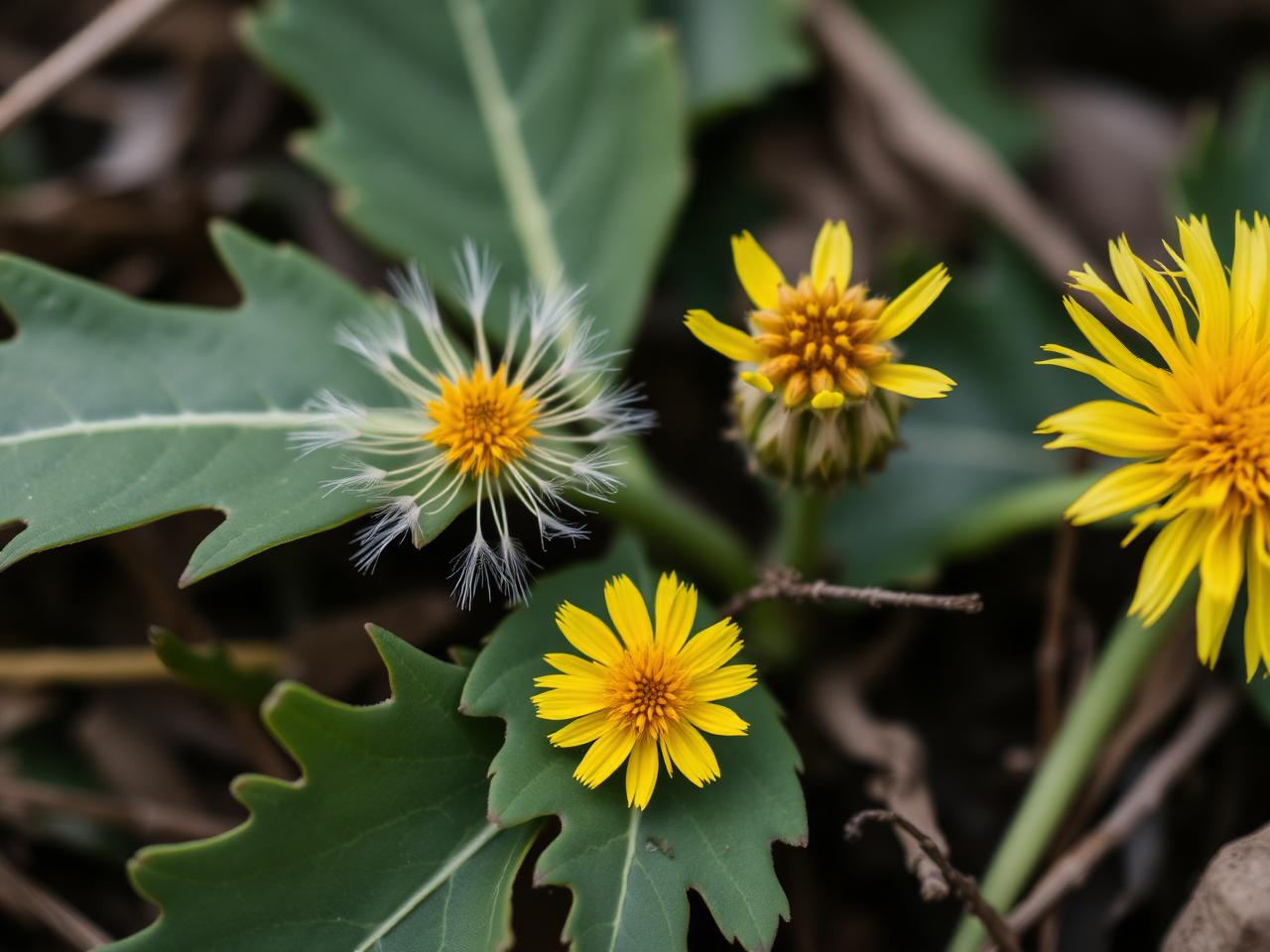
Dandelions grow as a basal rosette of deeply toothed leaves.
Key identification features include:

Its deep taproot:
The flowers provide one of the first significant nectar sources for bees emerging after winter.
Without plants like dandelion, many pollinators would struggle during early spring.
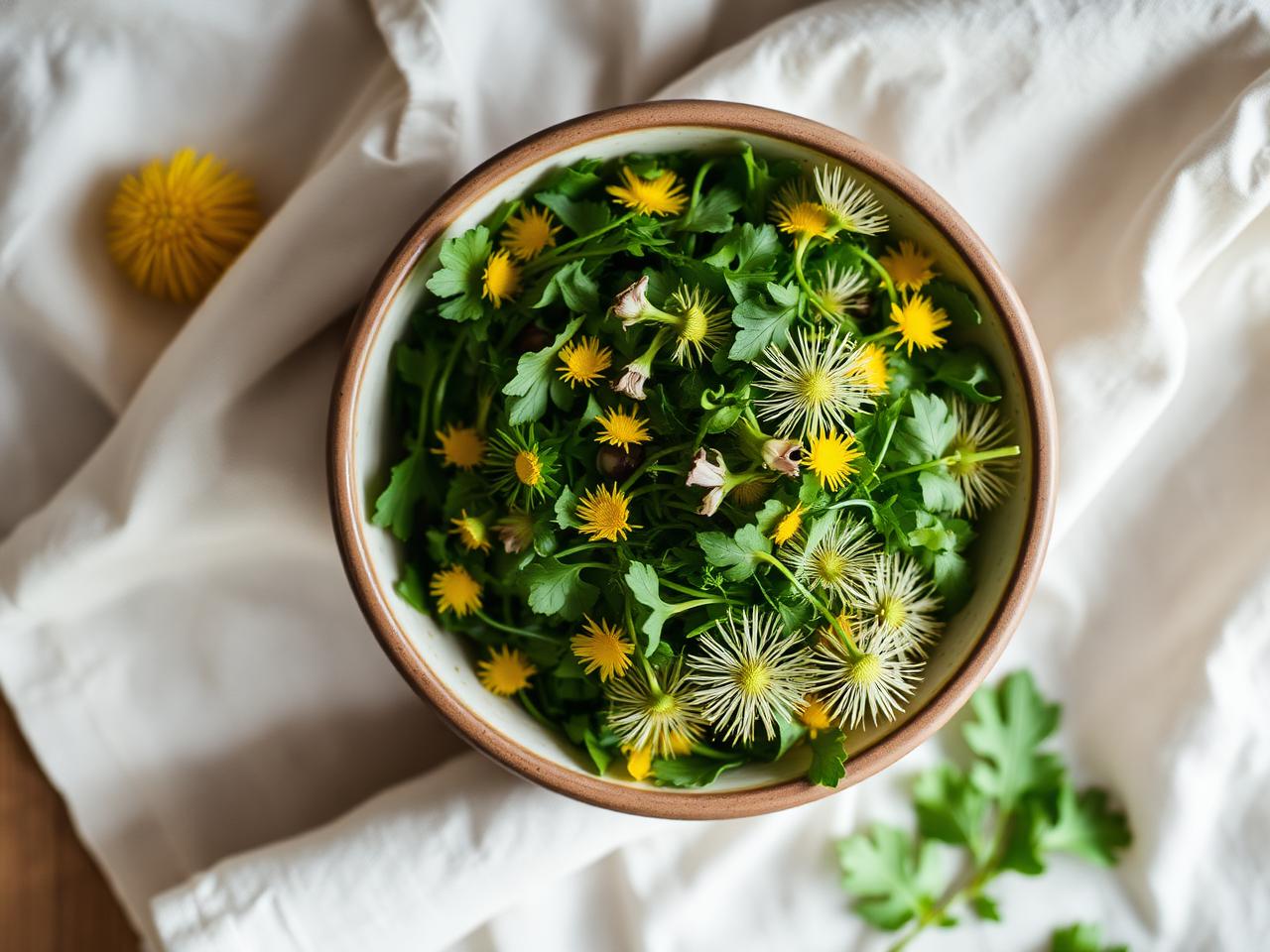
Young spring leaves are generally milder and best for eating raw. Older leaves become more bitter and medicinal.
Inulin acts as a prebiotic fibre that helps nourish beneficial gut bacteria.
They are traditionally used in wines, syrups and infused preparations.
Dandelion is classified as a bitter herb.
Bitterness stimulates receptors on the tongue which trigger digestive responses throughout the body.
These include:
Historically dandelion was used as a spring tonic to help support digestion following winter diets that were often heavier and less diverse.
The root contains inulin, a type of prebiotic fibre.
Prebiotics feed beneficial gut bacteria and help support:
Modern nutritional therapy increasingly recognises the importance of feeding the microbiome through diverse plant foods.
Dandelion is a beautiful example of a traditional food that naturally supports this process.
Traditionally dandelion root has been associated with:
The liver and gallbladder play important roles in processing nutrients and fats.
Many traditional herbal systems incorporated bitter plants such as dandelion to support these pathways.
Join the Hedgemoor Sisters community for seasonal recipes, foraging guides, herbal wisdom and nature-based living inspiration.

The young leaves emerge. This is the ideal time for salads, pestos and fresh greens.
Flowers are abundant. Perfect for syrups, cordials and cakes.
The root becomes richer as energy is drawn underground. Traditionally considered the best time for root harvesting.
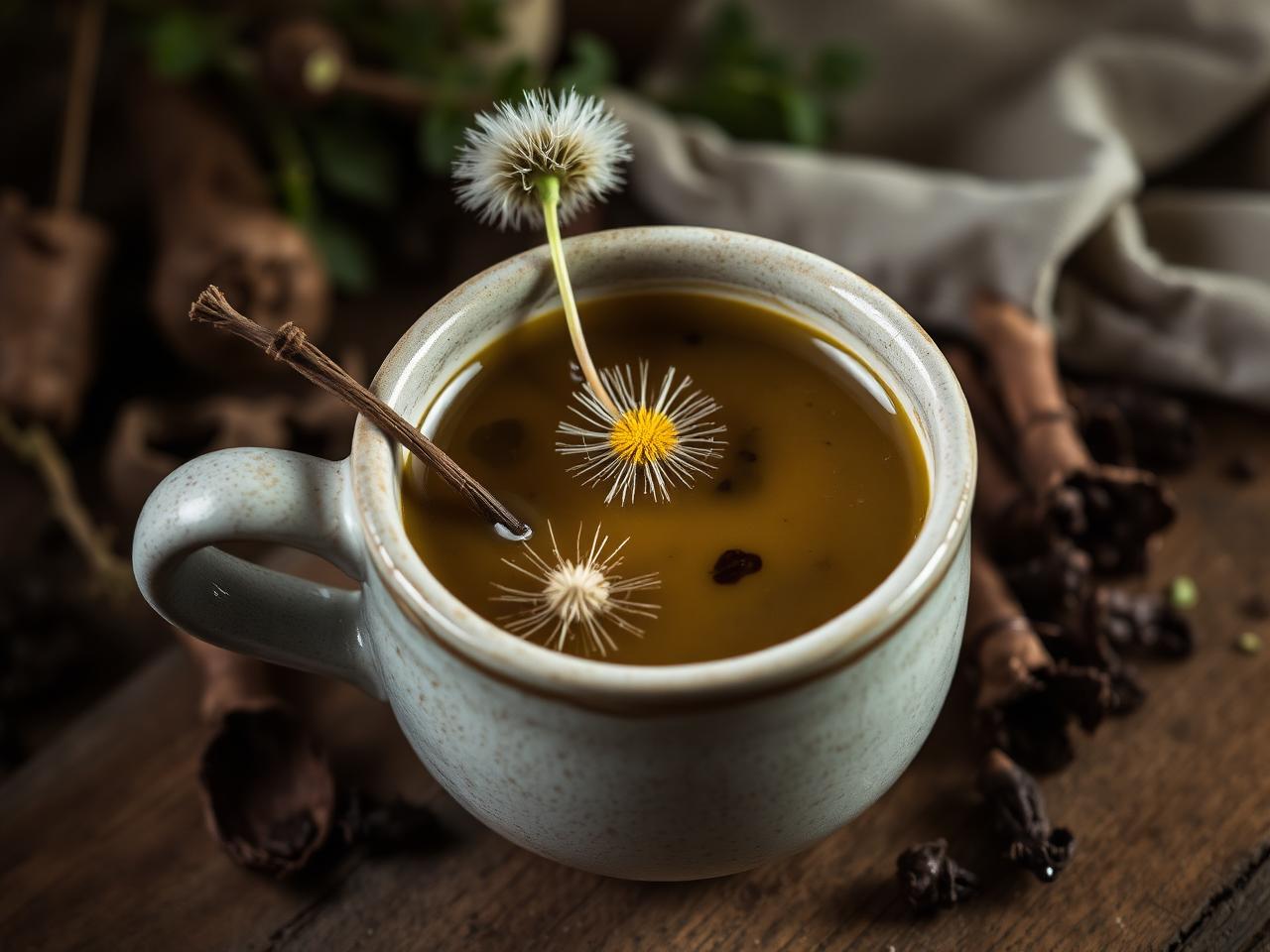
Dandelion has been used in:

Dandelion has long been associated with:
Children have traditionally blown the seed heads while making wishes.
In some folk traditions dandelions were used to predict love and fortune.
Take only what you need and leave plenty for wildlife and pollinators.
Infuse dried root or leaves in hot water for 10 minutes.
Roast cleaned roots until dark brown, grind and brew.
Infuse flower heads with water, lemon and sugar to create a golden syrup.
Add petals to oat or shortbread biscuits.
Fold petals into sponge batter and decorate with edible flowers.
Receive beautifully designed guides covering:
Dandelion teaches us that healing often begins with noticing.
A plant dismissed as a weed turns out to be food.
A flower overlooked becomes medicine.
A crack in the pavement becomes a reminder that life finds a way.
The next time you pass a dandelion, pause.
Look closely.
You may be standing beside one of the most generous plants in the British landscape.
The earth laughs in flowers.
Reconnect with nature one season at a time. Join our mailing list and receive: